「释义」
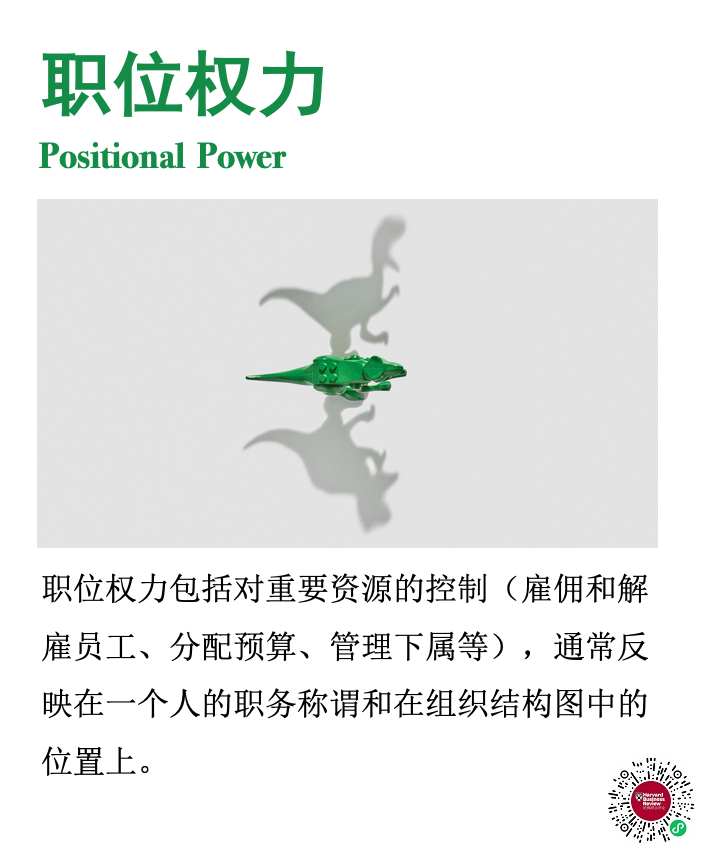
职位权力包括对重要资源的控制(雇佣和解雇员工、分配预算、管理下属等),通常反映在一个人的职务称谓和在组织结构图中的位置上。
Positional power involves control over valued resources (hiring and firing employees, allocating budgets, managing subordinates, etc.) and is typically reflected in one’s job title and position on the organizational chart.
「应用场景」
工作中第一人称的权力体验可能与我们职位头衔所暗示的权力水平大不一样。研究发现:这些权力体验可以按日波动起伏。重要的是,这种起伏可能会付出代价:幸福感降低。
First-person experiences with power at work can differ greatly from the level of power our job titles suggest. The research finds that these power experiences can fluctuate on a day-to-day basis. Importantly, this fluctuation can come at a cost: decreased well-being.
职位头衔和其他职位权力标志是静态的印象,更多地反映了员工的职业生涯阶段,而不是他们每日的主观经历。
Job titles and other indicators of positional power are static snapshots that reveal more about an employee’s career stage than their day-to-day subjective experiences.
一项工作实际上是一组动态的角色,每个角色都与一系列规定的职责和行为方式相关联。当这些行为感觉彼此格格不入,或者当有人可用于满足所有基于角色的需求的时间不够时,员工就可能会感受到压力和其他形式的幸福感降低。高、低权力角色尤其会与截然不同的行为预期和思维方式产生关联,从而制造角色紧张。
A job is actually a dynamic bundle of roles, each of which is associated with a certain set of prescribed responsibilities and ways of acting. When these behaviors feel incompatible with each other, or when the amount of time someone is available to fulfill all of the role-based demands is insufficient, employees are likely to experience stress and other forms of reduced well-being.
本文节选自《哈佛商业评论》2022年1月刊《减少权力变化的影响》
埃里克·阿尼奇克(Eric M. Anicich)、 迈克尔·舍雷尔(Michael Schaerer) 、杰克·盖尔(Jake Gale)、特雷弗·福克(Trevor A. Foulk)| 文
徐新玉 丨编辑